

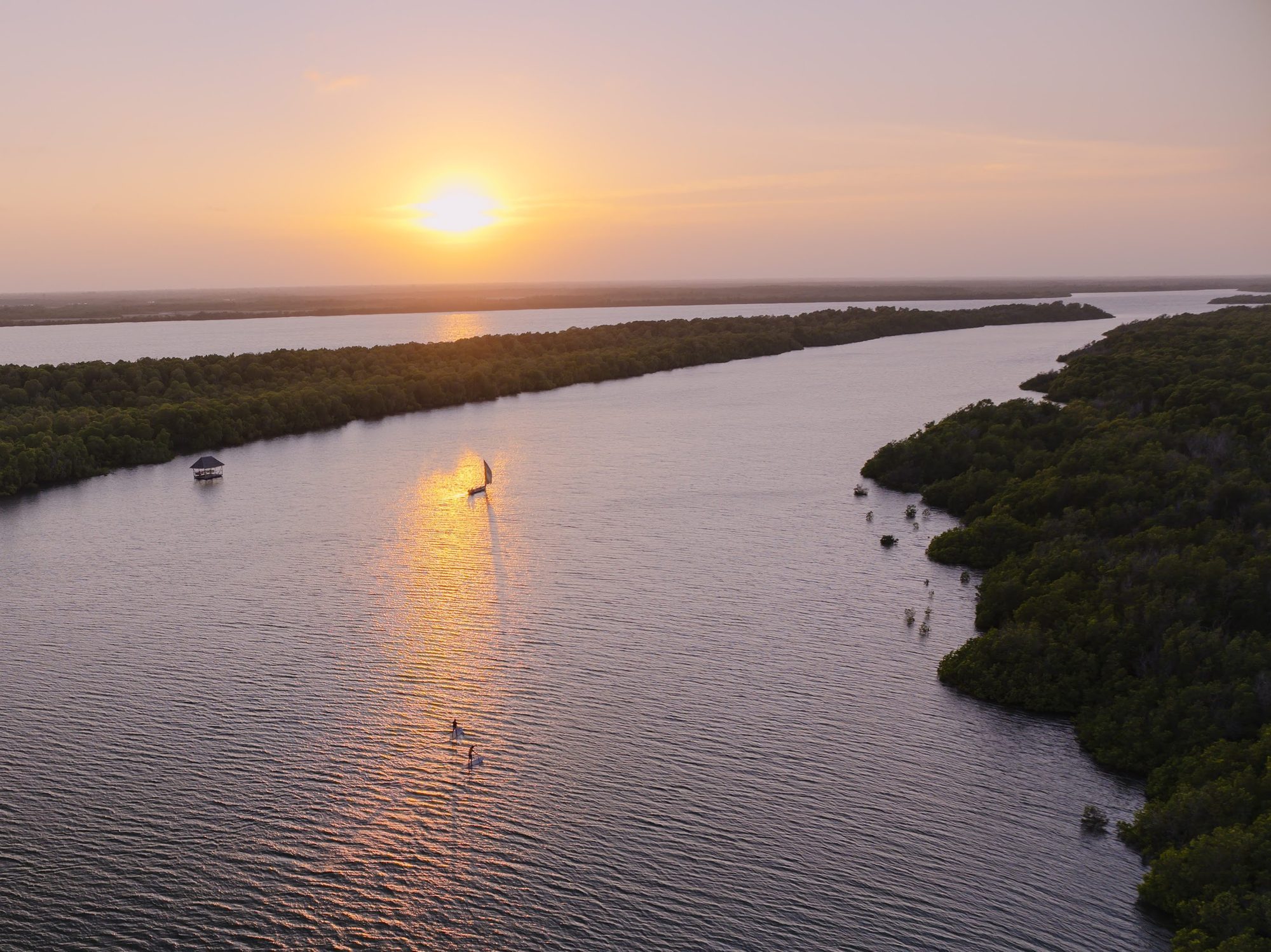
Home · Lamu Island
Lamu Island
Lamu is not the backdrop. It is the experience.
001 · East African coast · Kenya
Lamu Island, Kenya. A thousand years of Swahili coast, where the lanes are too narrow for cars and always have been; donkeys and dhows do the work of traffic, coral mosques hold the shade, and the Indian Ocean breathes in and out. This is the oldest living Swahili town in East Africa, and its quietest luxury is how little has changed.
Lamu is not the backdrop. It is the experience.
002 · Lamu Old Town · UNESCO
Lamu Old Town: a thousand years of Swahili coast
Lamu Town is the oldest continuously inhabited Swahili settlement on the East African coast, and a UNESCO World Heritage Site. For more than seven centuries it has been a crossroads of African, Arab, Indian and European threads woven into one culture and one architecture. You come to get lost on purpose: coral-stone alleys, carved doors, hidden courtyards, rooftop makuti terraces where the call to prayer drifts over the water. There are no cars; there never have been. You move on foot, by donkey, or by dhow.
The archipelago's long history, from trade and a golden age to darker chapters, is worth reading in full.
The Lamu archipelago, in full
003 · Arriving
Getting to Lamu Island
Getting here is the first part of slowing down. You fly to Manda Airport (LAU), about an hour and a half from Nairobi (Wilson or JKIA, with carriers like Jambojet and Safarilink), or a short hop up the coast from Mombasa. From the airstrip it's a ten-minute dhow across the channel to the island itself. There are no roads in; the last stretch is always water. We meet every guest and arrange the transfers, so you step off the plane and onto a boat with nothing to organise.
Plan your arrival with us
004 · The island's rhythm
Things to do on Lamu
There is not much to do on Lamu, in the best possible way. The island asks you to move slowly and pay attention. A few things worth waking for.
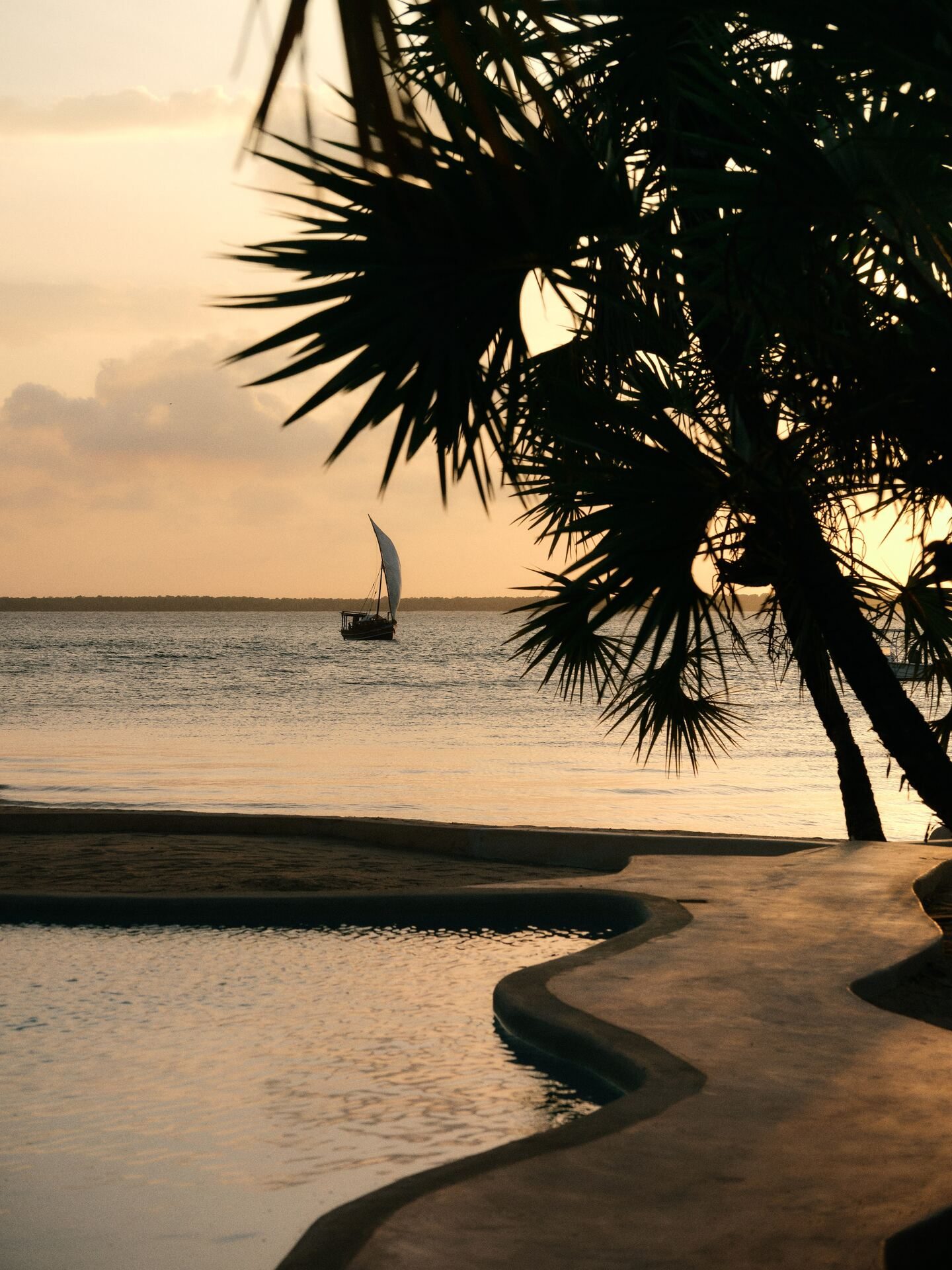
Sail Kilindini at sunset
Our dhow, Kilindini, was built just across the water in Kipungani. By late afternoon Kassim and his crew ready the sail; you walk down barefoot, a cold drink in hand, and go out as the light softens. Two hours, give or take. Never the same sail twice.
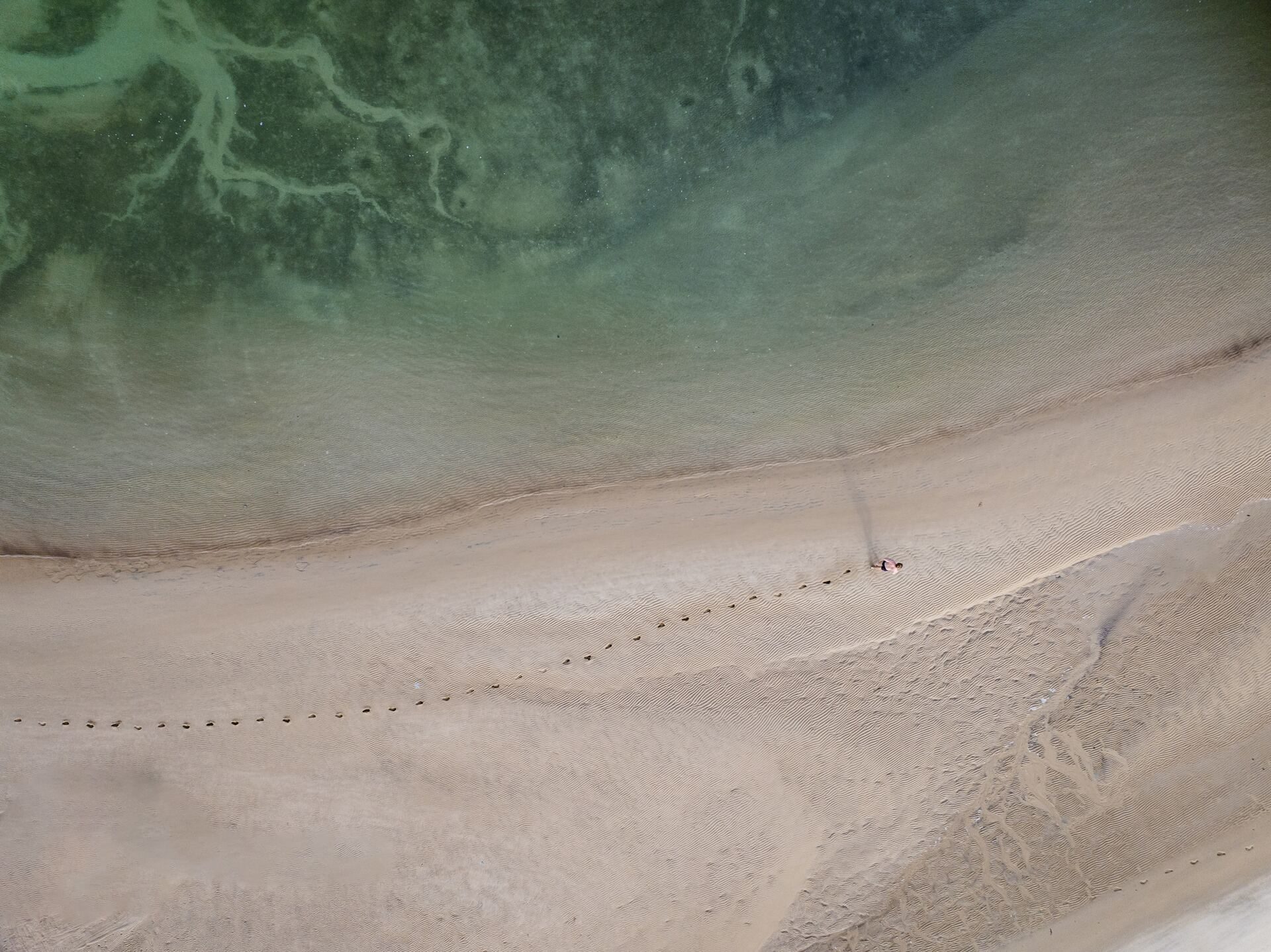
Walk the beach to Shela
Twelve unbroken kilometres of soft sand from Kizingoni toward Shela village. Barefoot for miles.
Get lost in the Old Town
The UNESCO maze, best explored with no plan at all. Then further out: Manda, Kizingoni and the quiet islands beyond, seven centuries of Swahili history in the coral and the timber.
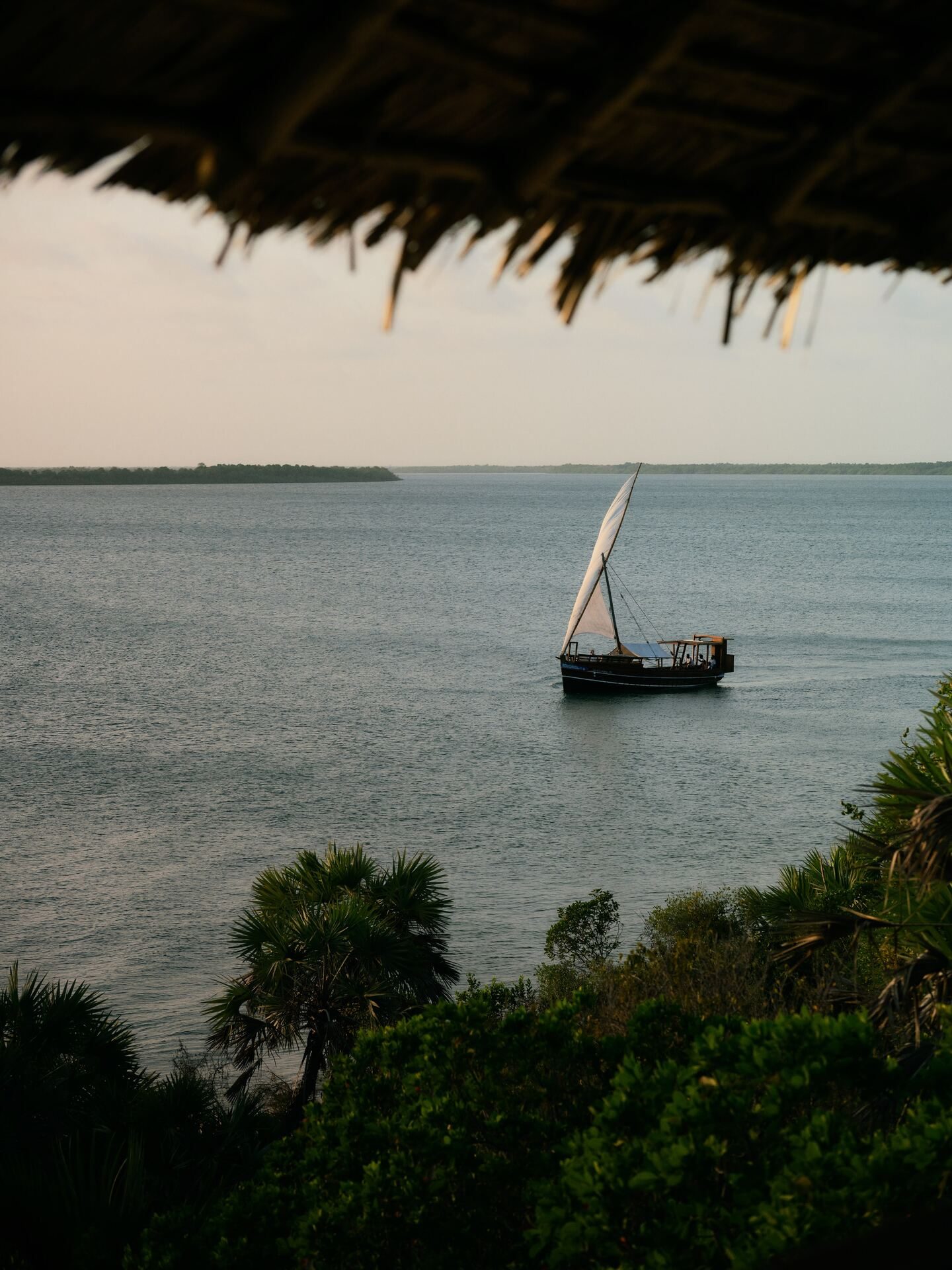
Watch a dhow race
When the wind turns, the racing dhows fly, a Lamu tradition older than memory, in boats hewn from local mangrove.
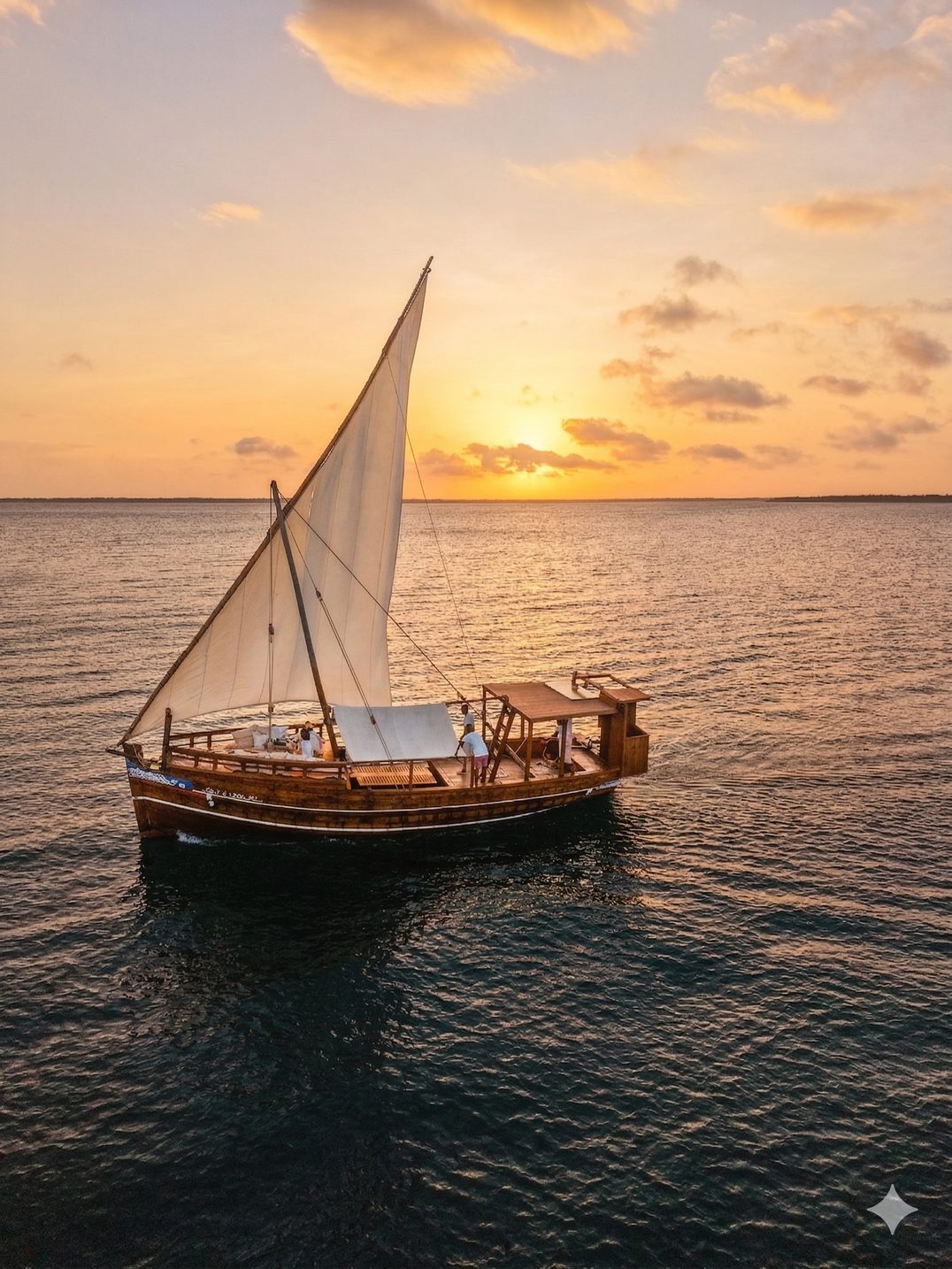
Meet the dhow builders of Kipungani
The craft that still shapes the coast: adze, mangrove, salt and patience.

Take the morning slowly
Wake at six and walk down to the water before the day has gathered itself. There is nowhere to be.
005 · The seasons
Best time to visit Lamu
Lamu is warm and swimmable year-round. The driest, brightest stretches are roughly December to March and July to October. From around April to September the kuzi, the south-east monsoon, brings a steady breeze and higher tides (it also leaves driftwood along Kizingoni, which we carve). The kaskazi months are calmer and warmer. For the town at its liveliest, come in November for the Lamu Cultural Festival.
The kuzi, and what it leaves behind
006 · Kizingoni Beach
Where to stay on Lamu: The Cabanas
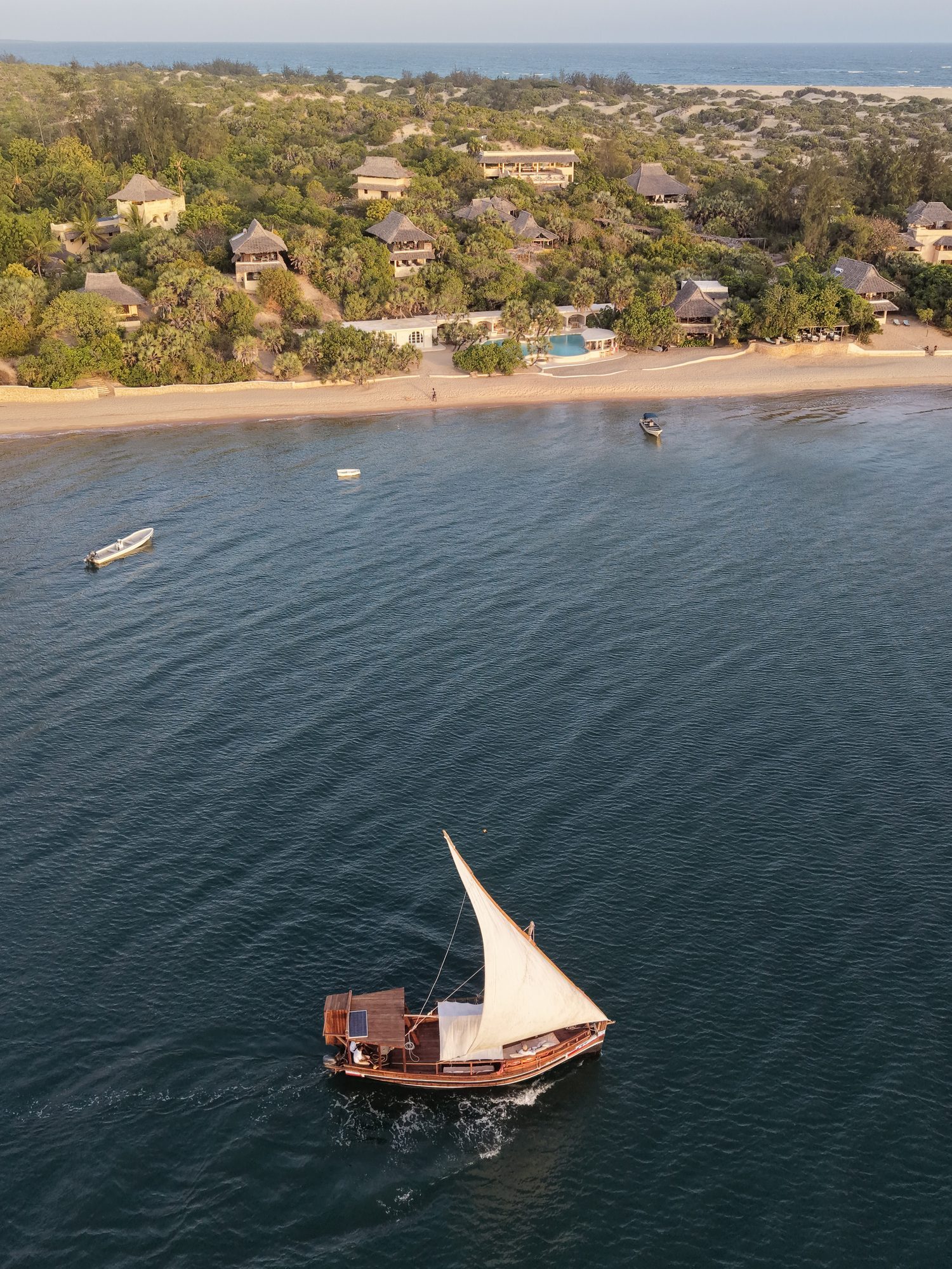
Most of Lamu's rooms sit in and around the Old Town and Shela. The Cabanas is quieter than that: a small, off-grid, beachfront hotel on Kizingoni Beach, built the way the island has always built: coral stone, lime, makuti thatch, hand-finished walls that hold the cool. Seven hand-built cabanas, full board, swing beds, and carved Lamu doors that open straight to the Indian Ocean. Close enough to reach the town by dhow; far enough to hear only the tide.
How we built it: coral, stone, lime & makuti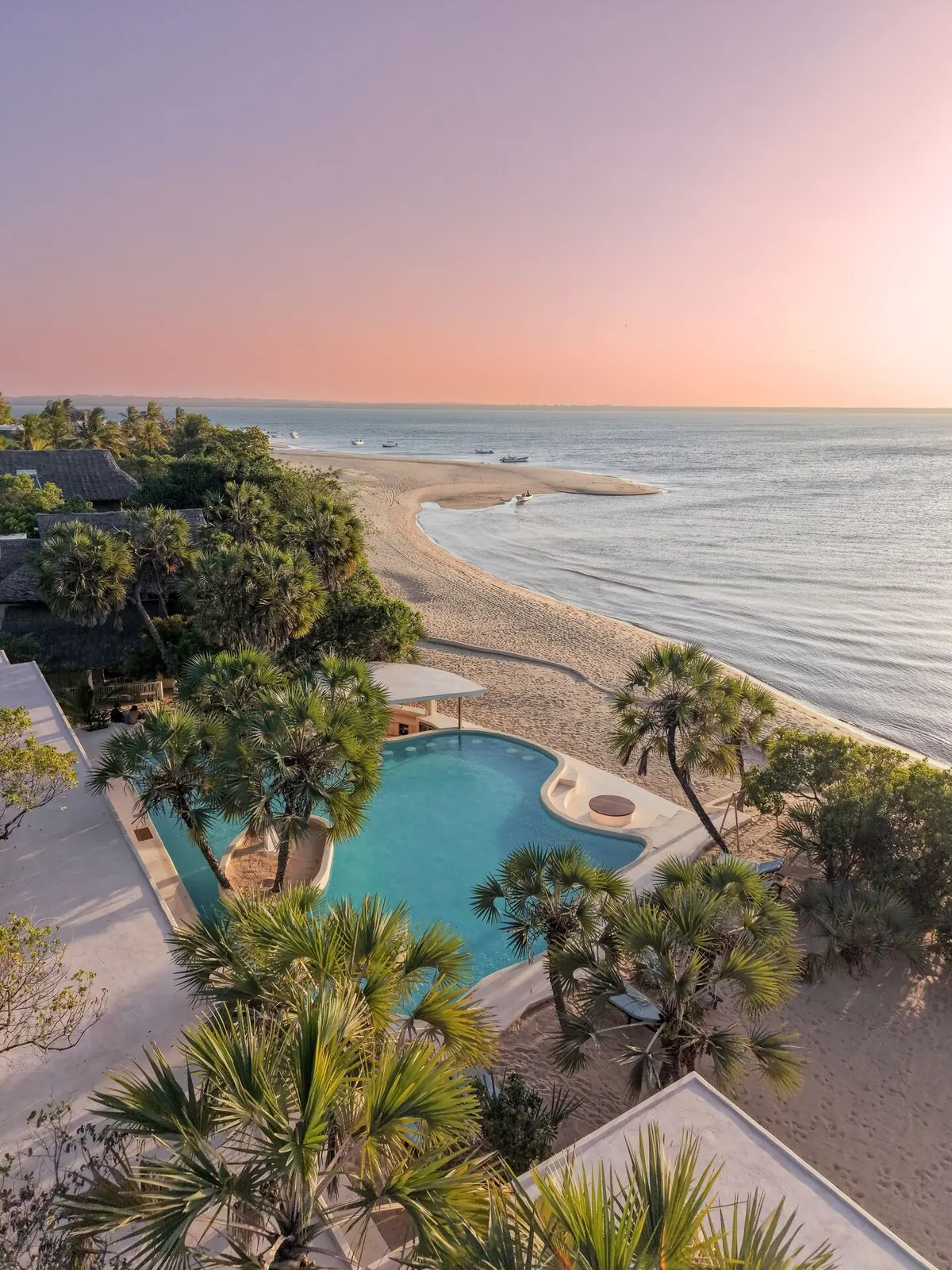
007 · Good to know
Frequently asked questions
How do you get to Lamu Island?
Fly to Manda Airport (LAU), about 1h30 from Nairobi (Wilson/JKIA) or a short hop from Mombasa, then a ten-minute dhow across the channel. There are no cars on Lamu; you travel by dhow and on foot. We arrange all transfers for guests.
Is Lamu Island safe?
Yes. Lamu Island, its Old Town, Shela and the surrounding islands are a welcoming, close-knit Swahili community and a long-established destination. Travel advisories that mention "Lamu County" refer to remote mainland areas near the northern border, not the island, and guests fly in directly to Manda. As always, check your government's current advice before travelling.
What is the best time to visit Lamu?
Warm year-round; the driest months are roughly December–March and July–October. April–September brings the cooling kuzi breeze, and the Lamu Cultural Festival is each November.
How many days should I spend in Lamu?
Five to six days is the sweet spot: long enough to sail a dhow, walk to Shela, lose an afternoon in the Old Town, and truly relax into island time and unwind from life outside. Many guests pair Lamu with a Kenyan safari for a week-plus circuit.
Are there beaches on Lamu?
Yes. Shela beach runs about twelve kilometres, and The Cabanas sits directly on Kizingoni Beach, one of the island's most beautiful. Untouched and open, wide and quiet, it stays private and near-empty: soft sand and the Indian Ocean, often with no one else in sight.
008 · One family, two houses
A beach to yourself, and a mountain a flight away.
Many guests pair Lamu with a Kenyan safari: one family, two houses.